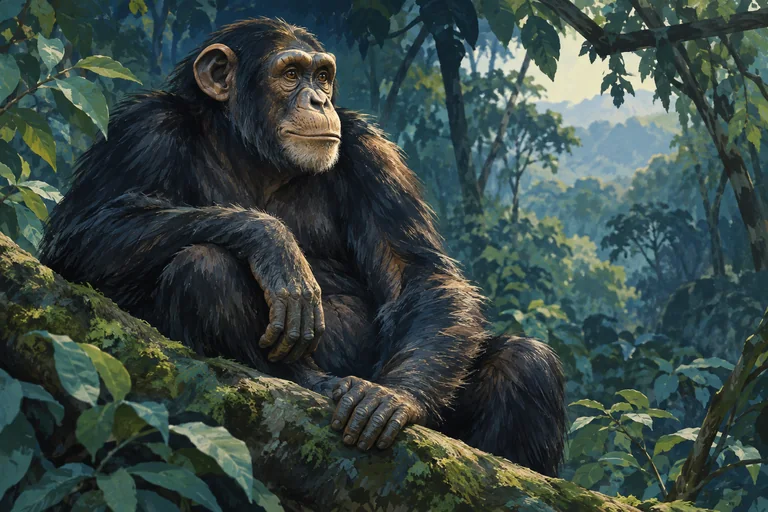
Study explores why chimp mothers keep carrying lost infants
An Oxford-led analysis has compared 83 reported cases in which chimpanzee or bonobo mothers carried infants after death.
University of Oxford ·
THE GLOBAL BRIEFING
A clearer view in a few minutes. Read the brief. Explore the source.
The next briefing has not been published yet. You can still read the previous selection below.
Stories move here after 24 hours, or when replaced in the selection. Grouped by the date they left the briefing (UK time). Original source dates stay visible.
An Oxford-led analysis has compared 83 reported cases in which chimpanzee or bonobo mothers carried infants after death.
Researchers have identified a new species of Dinodontosaurus from Tanzanian fossils, including material collected more than 60 years ago.

Stanford researchers have observed abrupt changes in the energy of tiny units of sound inside a mechanical resonator.
Simulations suggest some of the tiny red objects seen in the early universe could be black holes growing inside dense clouds of gas.
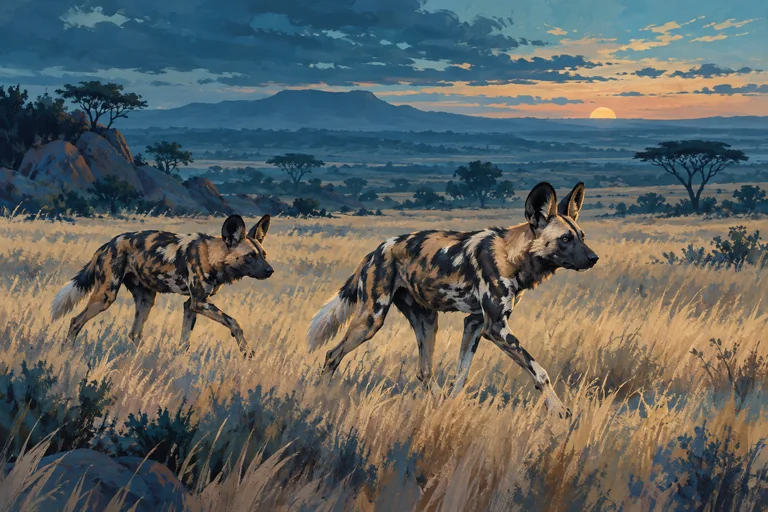
A study of African wild dogs in Zambia documents exceptionally long journeys connecting distant wildlife areas.

ESA’s latest Mars Express feature shows how light, dust and frost can give a landscape near the south pole pink and purple tones.
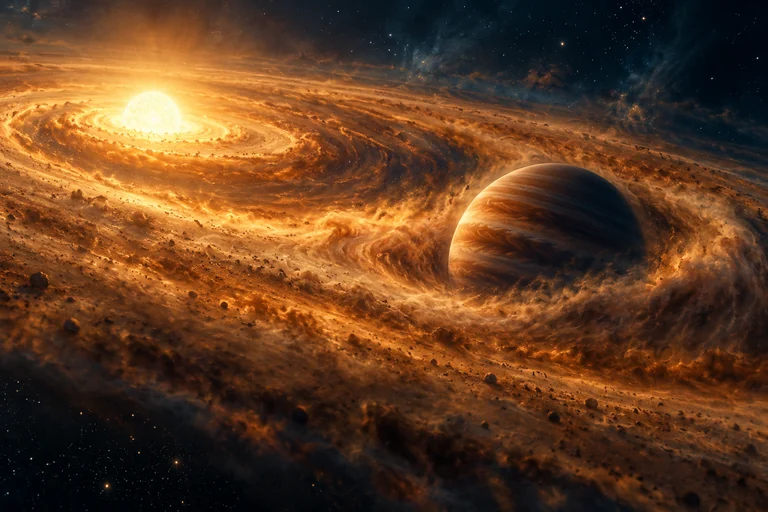
ESA has highlighted extremely small brown dwarfs in a new presentation of Webb observations of the star-forming cluster IC 348.
Chemical measurements of fossil tooth enamel suggest a Tyrannosaurus rex body temperature of about 36°C, UCLA researchers report.
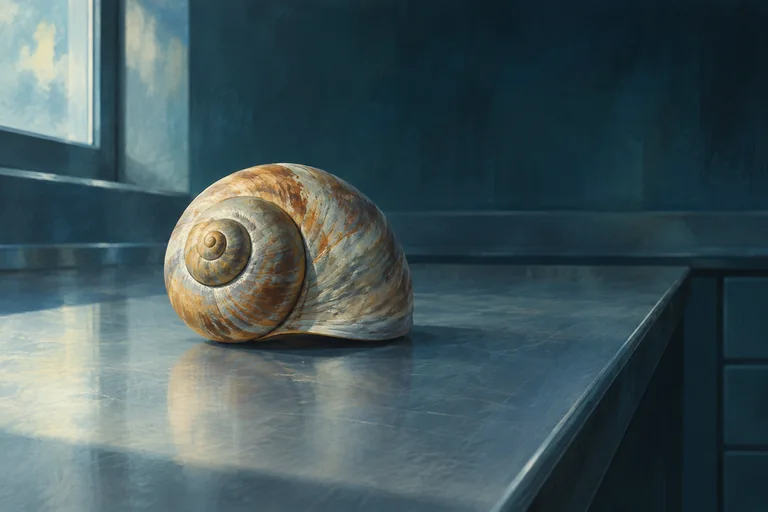
Researchers have used the growth bands in a snail shell to investigate how the animal responded to extreme rainfall.
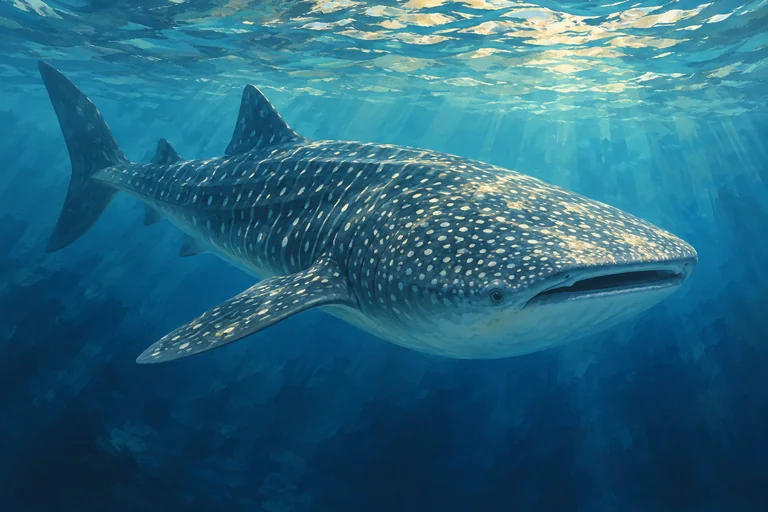
A University of Queensland review maps how sharks and rays recorded in Australian waters travel far beyond them.

University of Queensland researchers are developing tiny containers that release rust-inhibiting molecules when a protective coating is damaged.
MIT researchers have found that different marine bacteria can cooperate to break down fucoidan, a complex carbohydrate produced by algae.
Researchers have developed a mouse model containing transplanted cortical organoids grown from human stem cells, according to a Nature paper published on 16 September.
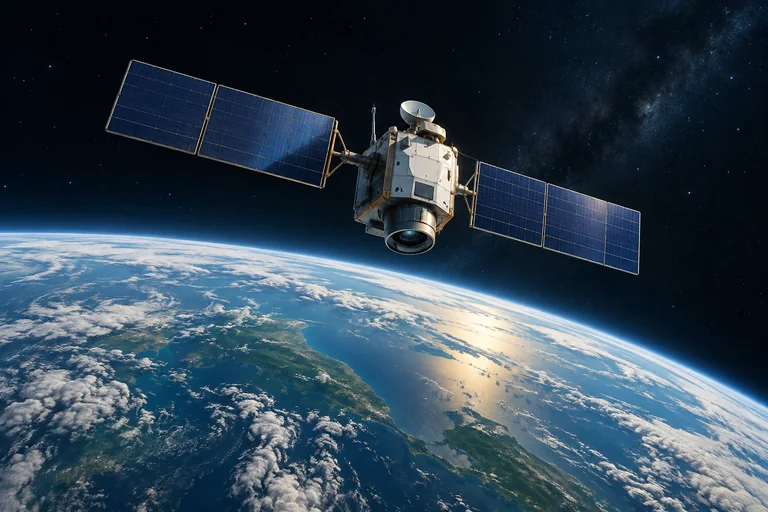
A UCLA study estimates that atmospheric desert dust fell by about 10% between 2003 and 2023.
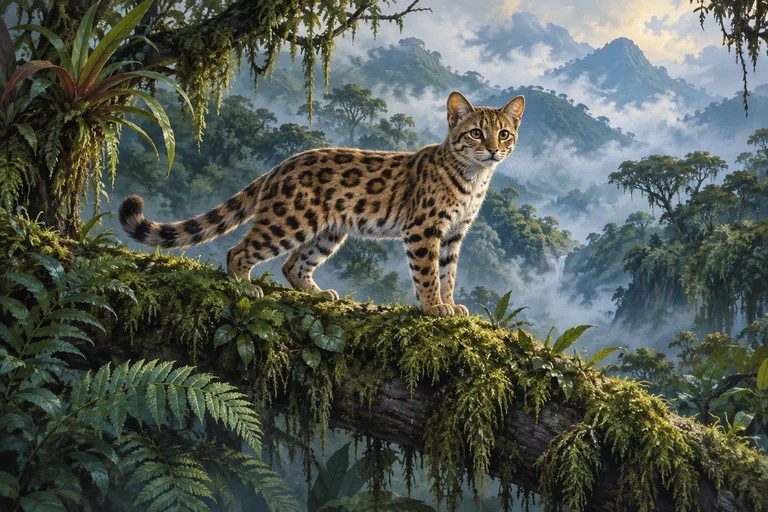
Researchers have identified Leopardus tilcayo as a distinct wild-cat species native to Bolivia’s Yungas cloud forest.
Astronomers have confirmed a planet less than a million years old, embedded in material surrounding a young star.
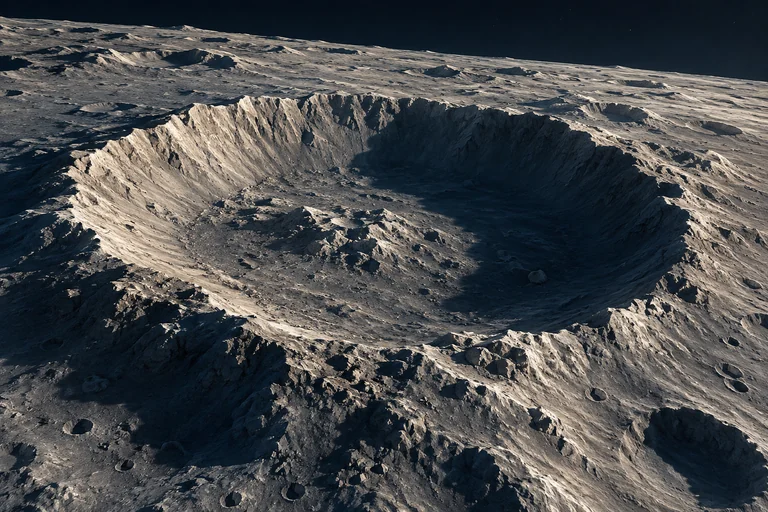
Researchers examining lunar-orbiter images have described a large crater created by an impact in 2024.
NASA researchers are using satellite tracking to follow tiny changes in the planet’s centre of mass.
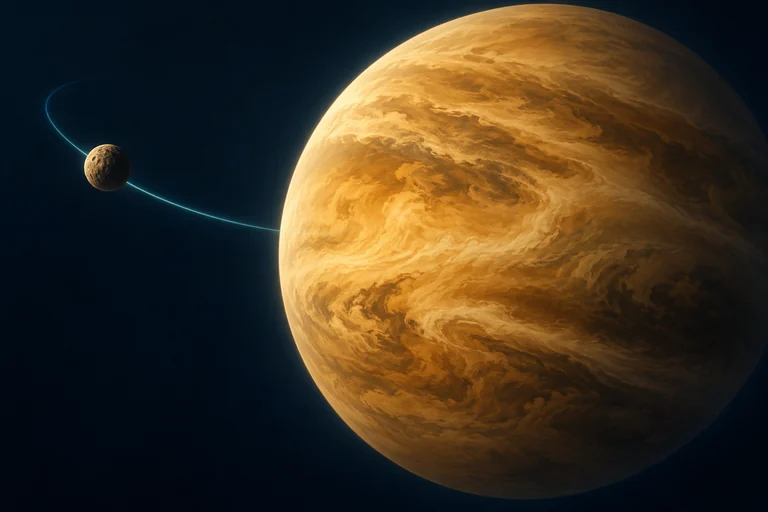
Computer simulations suggest that Venus’s slow rotation could cause a hypothetical moon to spiral inwards.
ESA has announced a space-themed Pokémon programme after a Pikachu plush travelled aboard the International Space Station earlier this year.
A newly released Hubble view highlights NGC 4698, a spiral galaxy with an unusually oriented central bulge.
ESA’s technical centre in Noordwijk is preparing to welcome visitors on 27 September for its annual open day.